

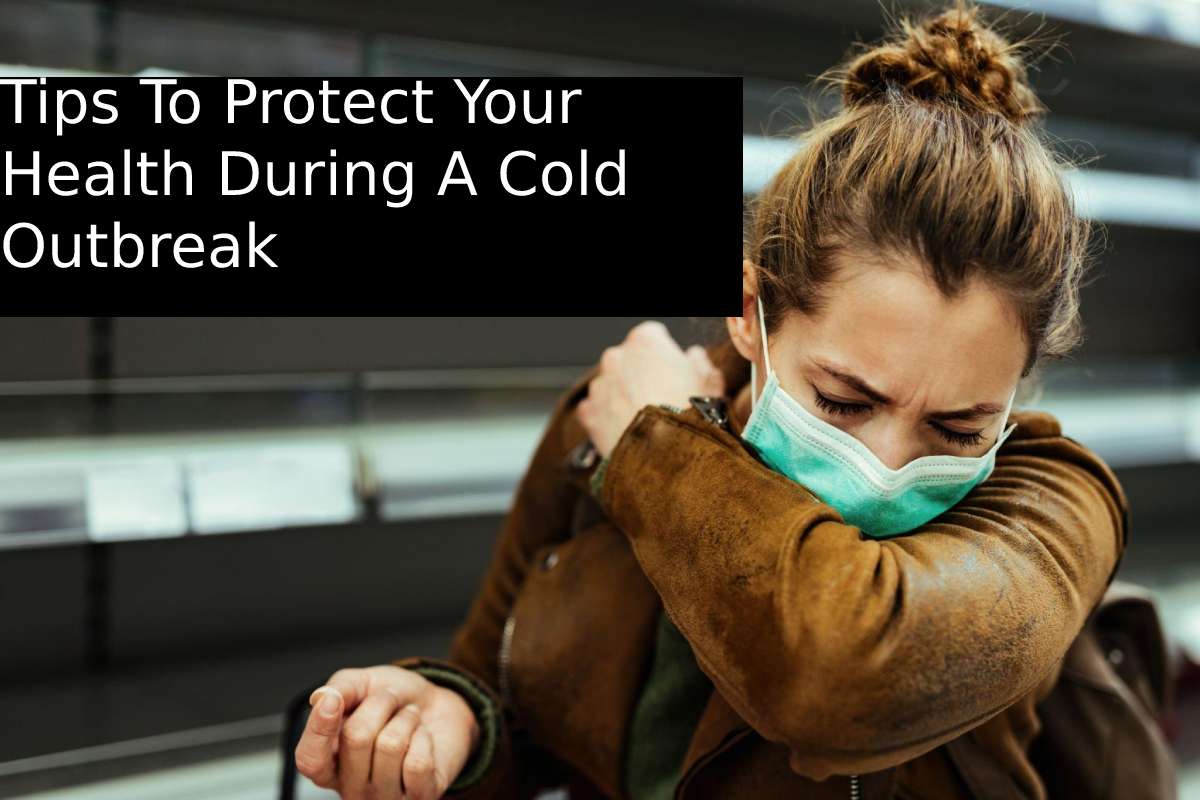
The minimum temperature that reached 0 degrees early in the morning is what caused the current mass of polar cold that we are experiencing. The Ministry of General Health and Public Health advises the public to take a number of precautions to safeguard our health in the face of this temperature decrease in order to prevent the effects of this arctic cold on our health.
First, it advises wearing warm clothing and avoiding being outside in the cold for an extended period of time. Particular attention should be pay to the head, neck, hands, and feet.
Health also tells people that it’s best to make hot meals that provide them the energy they need and to consume hot beverages to keep their bodies warm. Limit your time spent outdoors, especially if you belong to a risk category.
Regarding the advice for the interior of the home, it is advise to carefully examine the condition of the electrical system in order to prevent risky circumstances that could result in a fire hazard, such as: B. with gas stoves or wood fireplaces.
How To Handle Consuming A Cold
Freezing and hypothermia are two direct impacts of extreme cold. The most typical symptoms of superficial chills, which primarily affect the cheeks, ears, and fingers, are skin reddening, tingling, and intense itching or burning. Both the skin and the strengths or bones can freeze, and the symptoms include a change in the skin’s appearance from soft to hard and white, which can result in sores or gangrene.
It is advise to transfer a sufferer to a warm location, remove any tight or wet clothing, dry him off, and keep him warm in order to prevent him from freezing. If immediate medical aid is available, the affect person should be place in an emergency room with sterile compresses wrap around the affect areas (without removing the fingers from the affected hands and feet).
If this happens in a solitary location, soak the pretentious areas in warm water (not hot) or apply warm cloths to the ears, nose, and cheeks for 20 to 30 minutes. 38–40 oC is the suggested water temperature.
Hypothermia, which is typically brought on by prolong cold, is when the body loses more heat than it can produce. When a person has hypothermia, their capacity to move and think is frequently slowly lost. Confusion, sluggishness, weakness, loss of coordination, and a decrease in respiration and heart rate are symptoms. Call 911 if you encounter hypothermia symptoms including confusion or mental problems.
Who Is Most At Risk During Extreme Cold?
Some people are more vulnerable to the effects of very low temperatures than others. Older adults, young children, people who spend long periods outdoors, and those with certain medical conditions may have greater difficulty maintaining a normal body temperature. People who work outside should take regular warming breaks, wear suitable protective clothing and avoid unnecessary exposure when temperatures become dangerously low.
How To Stay Safe During A Cold Spell
Staying indoors when conditions are severe is one of the simplest ways to reduce exposure to extreme cold.
Cold weather can also coincide with throat discomfort and respiratory symptoms, particularly when people are exposed to indoor irritants or seasonal infections. If a sore throat becomes persistent or is accompanied by swollen tonsils, fever, or difficulty swallowing, it may be worth learning more about tonsillitis and its symptoms and discussing persistent symptoms with a healthcare professional.
Keep your home adequately warm, wear several layers of dry clothing and pay particular attention to your hands, feet, head and neck. Avoid alcohol as a way of trying to warm yourself, and check on vulnerable family members, friends or neighbours during prolonged periods of very cold weather.
Conclusion
Extreme cold can affect the body quickly, particularly when exposure is prolonged or when a person is wet or inadequately dressed. Wearing suitable clothing, limiting time outdoors, keeping the home safely heated and recognising early signs of frostbite and hypothermia can help reduce the risk of cold-related illness. If someone develops confusion, severe weakness, loss of coordination, breathing difficulties or other serious symptoms, seek emergency medical attention promptly.