

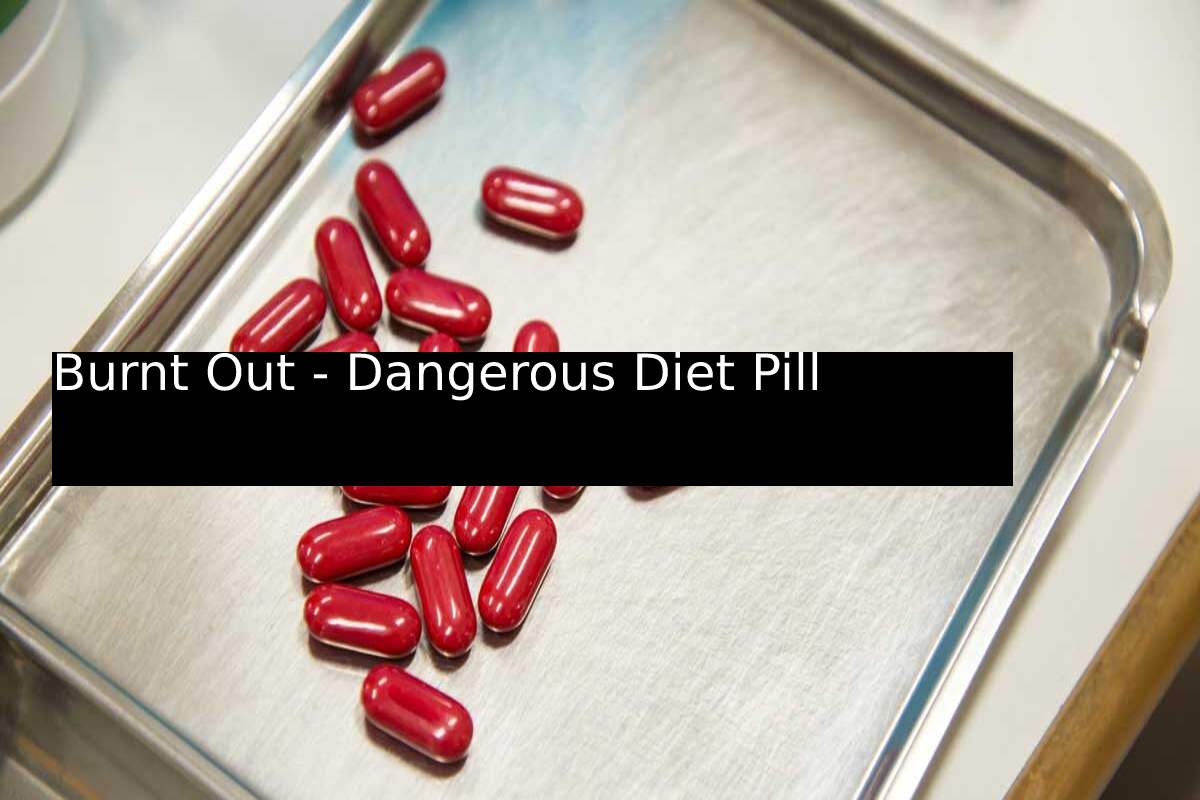
Diet Pill
2,4-Dinitrophenol (DNP) is explosive and found in diet pills. Why the substance is a fire hazard in the truest sense of the word.
A few months ago, the tragic case of Welsh student Eloise Aimee Parry made headlines in the press. The 21-year-old ordered some seemingly harmless diet pills online. A fallacy that she paid for with her life. Because under the coating of the pill there was a substance that, since its discovery, was mainly used in artillery shells and explosive devices and should have stayed there…
Fat Burning Diet pill
The fat-soluble substance 2,4-dinitrophenol, also known as DNP, belongs to the nitrophenol group of substances and is therefore highly toxic. Compared to other illegal diet pills that contain substances such as amphetamine, ephedrine, clenbuterol or thyroid hormones, DNP plays an absolutely special role, despite the considerable harmfulness of the consorts mentioned.
Not everyone has the same body-composition goal. People who need to increase their body weight can explore healthier strategies to gain weight through adequate calories, protein, nutritious foods, and appropriate strength training rather than using unregulated substances.
DNP Is By Far The Most Dangerous Of All Fat Burners- Diet pill
2,4-Dinitrophenol first attracted public interest in 1919 as a component of an explosive. It was striking that the workers who came into contact with DNP lost a considerable amount of weight in a less period of time.
The diet industry soon brought the supposed miracle cure to the population wanting to lose weight – but took it off the market a little later.
People looking to manage their weight can consider safer approaches that focus on sustainable eating habits and appetite management. Learning practical strategies to suppress appetite can help support healthier food choices without relying on dangerous substances.
The effect of the highly toxic substance is not just limited to burning fat.
For people who want to reduce body weight, safer weight-management strategies generally focus on balanced nutrition, regular physical activity, and sustainable lifestyle changes. You can learn more about healthy approaches to lose weight without relying on highly dangerous substances such as DNP.
DNP has a similar structure to TNT: it brings the entire metabolism to an explosive level, which often has fatal consequences.
Let’s Get Physical!
What happens in the body when a substance that normally blows up buildings gets into the stomach? 2,4-Dinitrophenol causes a kind of hypermetabolic state in the human body. This happens because DNP prevents the formation of the nucleotide adenosine triphosphate (ATP) in cell metabolism. ATP is a very important energy carrier in cells and regulates energy-yielding processes.
Dinitrophenol decouples the so-called oxidative phosphorylation. As a result, the cells are no longer supplied with energy and starve. In this situation, the body falls back on all reserves that it can mobilize. At the same time, this constitution prevents the calories ingested from food from being converted into usable energy.
Since the body is blocked in its normal metabolism, the calories used are lost through heat. This leads to a dangerous rise in body temperature.
Metabolism effects of pills
Due to the decoupling, the metabolism runs anaerobic, i.e. without oxygen. This leads to metabolic acidosis, the blood pH drops below 7.4 and becomes acidic. There are circulatory problems.
Weight-loss methods can vary considerably, but extreme approaches can carry unnecessary risks. Some people explore changes to their evening eating routine, including how to lose weight without dinner, but any approach should still provide adequate nutrition and should not involve dangerous weight-loss substances.
The tissue, especially the heart muscle and the brain, are no longer sufficiently supplied with oxygen. Breathing accelerates significantly.
The high body temperature persists and, if it rises further, can quickly lead to rhabdomyolysis. This destroys the striated muscles. During this process, some substances are released from the wasting muscles (myoglobin) that are highly toxic to the kidneys and can cause kidney failure.
By this time, the situation is already extremely serious and potentially fatal. The body’s glucose stores are gradually depleted, leading to hypoglycemia (low blood sugar). Now the actually unstoppable dying process begins. Even emergency measures initiated by a doctor, such as body cooling and large-volume infusions, can no longer save the person concerned.
First there is pulmonary edema, then functional failure of the kidneys and finally multiple organ failure. Eventually the heart fails – the line on the surveillance monitor.
play with fire
The problem is that most potential DNP users know little to nothing about the substance and its physiological risks. However, this does not apply to all interested parties. DNP became very popular again, especially in the bodybuilding scene, after it was finally taken off the market worldwide as a diet at the end of the 80s. At a dosage of 300-400 mg/day, DNP increases the basal metabolic rate by an incredible 36-95% in a healthy person.
Ingestion therefore undoubtedly leads to rapid weight loss, but this is out of proportion to the enormous risks of DNP consumption. Once DNP is overdosed, there is no antidote or rescue. The body becomes irrevocably contaminated and cooked from within. Statements about a “tolerable” dose are irrelevant, as this varies from person to person dependent on their constitution and metabolic status.
Not every ingestion of DNP ends with the death of the user. In the case of the English student, however, any help came too late.
It is to be hoped that this story will be a fataliaison between humans and pyrotechnics can at least serve as a deterrent.
Weight management also requires extra care during pregnancy, when nutritional needs and appropriate weight changes differ from those of the general population. Anyone considering whether or how to lose weight during pregnancy should consult a qualified healthcare professional rather than using diet pills or other unregulated weight-loss products.