

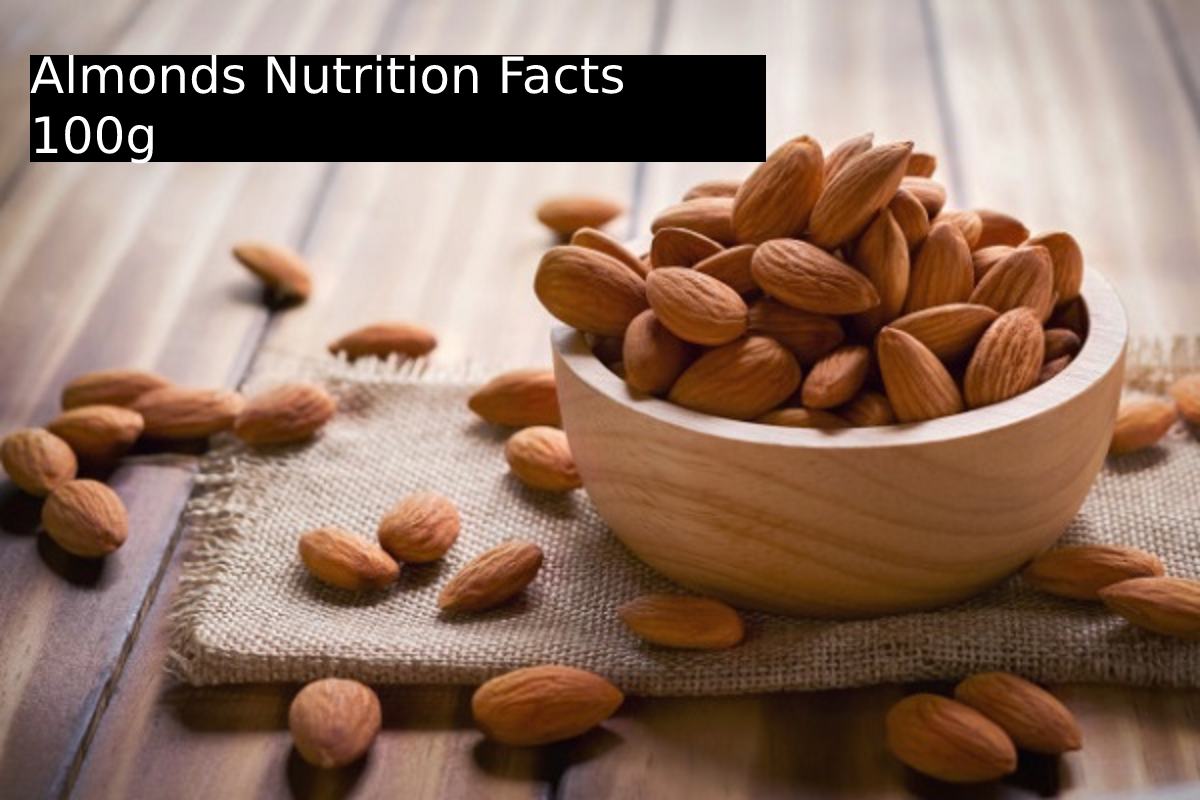
Almonds Provide a Huge Variety of Nutrients
The edible seeds of Prunus dulcis, sometimes known as the almond tree, are known as almonds.
Although they originated in the Middle East, the US is currently the world’s top producer.
The edible nut inside most almonds you may buy in supermarkets has been expose by having the shell removed. Either raw or roasted versions are sold.
They are also use to make marzipan, which is also known as almond paste, milk, oil, and butter.
Almonds can also be a convenient choice when you need something nutritious between meals. If you are looking for more options, exploring different healthy snacks can help you add variety to your daily eating routine.
An impressive nutritional profile may be found in almonds.
Nuts are just one part of a nutrient-rich eating pattern. Other foods, including vegetables, can also provide important vitamins, minerals, fiber, and carbohydrates. Sweet potatoes are one versatile option that can be included alongside nuts and other whole foods.
Almonds are one example of a nutrient-rich food that can complement a varied diet. Fruits can provide another range of vitamins, antioxidants, and dietary fiber, and learning about the health benefits of apples can help you explore another nutritious addition to everyday meals.
Almonds weigh 1 ounce (28 grammes), which means that :
3.5 grammes of fibre
6 grammes of protein
14 grammes of fat (9 of which are monounsaturated)
37% of the RDI for vitamin E
32% of the RDI is for manganese.
20% of the RDI for magnesium
All of this comes from a little handful, which only contains 2.5 grammes of digestible carbs and 161 calories.
A balanced diet benefits from including different types of nutrient-rich foods rather than relying on one food alone. Exploring a wider range of foods for your healthy journey can help you build meals that provide a variety of essential nutrients.
Remember that 10-15% of the calories you consume are not absorb by your body because some fats are indigestible to digestive enzymes (2Trusted Source, 3Trusted Source).
Additionally, almonds contain a lot of phytic acid, a compound that binds with several minerals and hinders absorption.
The amount of iron, zinc, and calcium you get from almonds is somewhat decrease by phytic acid, despite the fact that it is widely regard as a beneficial antioxidant.
2. [ Almonds] Contain A Lot Of Antioxidants
An excellent source of antioxidants is almonds.
Nuts are one source of antioxidants, but a varied diet can also include antioxidant-rich fruits. Pomegranates are another fruit worth exploring, and learning about the benefits of pomegranates can help you understand their nutritional value and role in a balanced diet.
Antioxidants aid in preventing oxidative stress, which can harm cell molecules and cause inflammation, ageing, and diseases like cancer (4Trusted Source, 5Trusted Source).
[Almonds’] potent antioxidants are primarily concentrate in the skin’s brown layer (6Trusted Source, 7Trusted Source, 8Trusted Source).
[Almonds] that have had their skin removed or “blanched” are therefore not the healthiest option.
Three ounces (84 grammes) of almonds per day for four weeks lowered oxidative stress indicators by 23–34% in a clinical experiment involving 60 male smokers (9Trusted Source).
These results corroborate those of a different study that discovered that consuming almonds with main meals.
Almonds are not the only nuts that contain antioxidants and other beneficial nutrients. Cashews can also be part of a varied eating pattern, and exploring the health benefits of cashews provides more information about their nutritional properties.
3. Almonds Contain A Lot Of Vitamin E
A family of fat-soluble antioxidants includes vitamin E.
Your body’s cell membranes have a propensity to accumulate these antioxidants, which shield your cells from oxidative harm.
With just 1 ounce supplying 37% of the RDI, almonds are one of the greatest sources of vitamin E in the world .
Also, Higher vitamin E intake has been related in several studies to lower incidences of heart disease, cancer, and Alzheimer’s disease.
4. Cholesterol Levels Can Be Reduce By [Almonds]
It is commonly recognise that having high blood levels of LDL lipoproteins, also referred to as “bad” cholesterol, increases your chance of developing heart disease.
LDL levels can be greatly impact by your diet. [Almonds] prove in several trials to significantly decrease LDL.
A diet containing 20% of calories from [almonds] reduced LDL cholesterol levels by an average of 12.4 mg/dL during a 16-week period in 65 prediabetic participants.
Also, According to a different study, consuming 1.5 ounces (42 grammes) of [almonds] every day reduced LDL cholesterol by 5.3 mg/dL while keeping “good” HDL cholesterol constant. Participants also reduced their abdominal fat.