

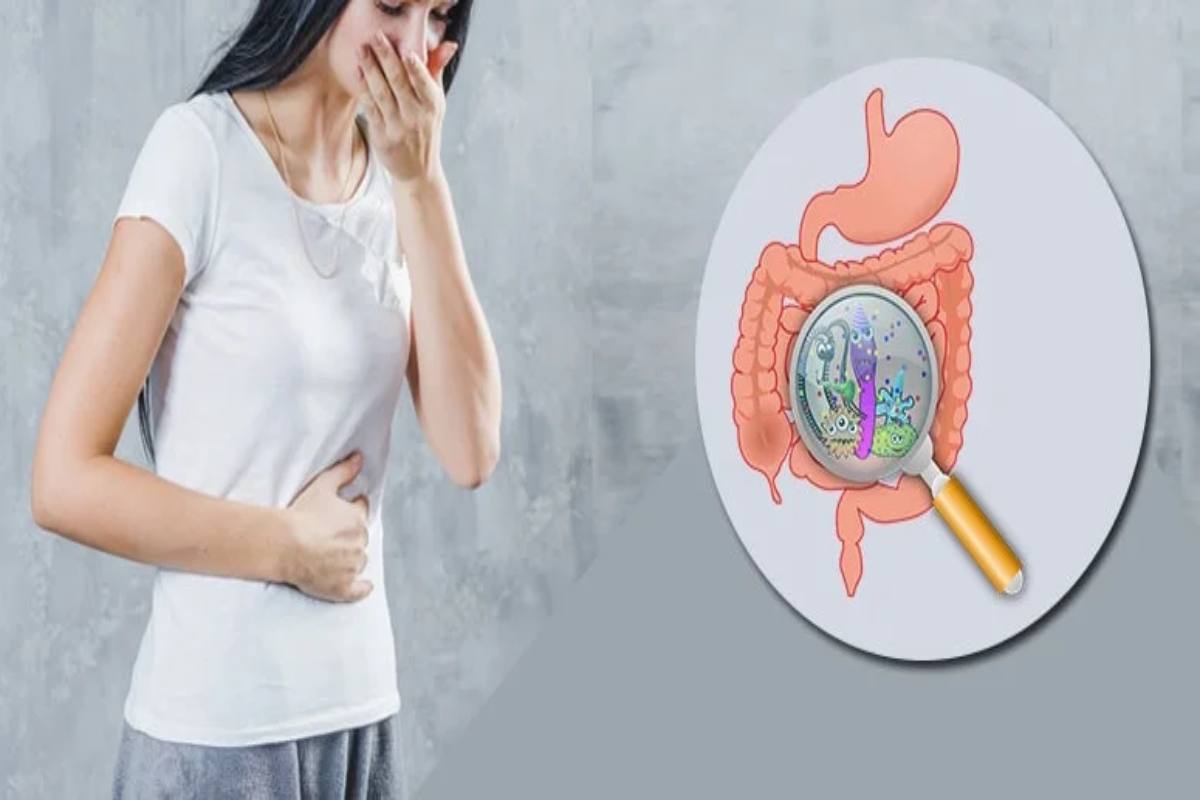
Diarrhea – Doctors call bowel movements that occur more than three times a day diarrhea. The stools are thin, soft or liquid in consistency.
The disease is often accompanied by abdominal pain, flatulence, or a feeling of pressure. Diarrhea can result from infection with viruses or bacteria. Food intolerance (eg, lactose intolerance), intestinal disease (eg, Crohn’s disease), eating spoiled food (eg, salmonella infection), or as a result of taking medications (eg, eg, antibiotics) can cause diarrhoea. Acute diarrhea disappears after a few days, even with the help of a special diet. The chronic form must be treated with appropriate therapies.
Featured Under Digestive Health
Symptom
The victim should drink plenty of fluids.
diarrhea at a glance
symptom of art
Description Frequent bowel movements, with a soft to liquid consistency
causes infections, irritable bowel syndrome, food intolerance, medication
Prevention Hygiene in the kitchen, balanced diet
Therapy Electrolyte solutions, activated charcoal, probiotics
Frequency Of Diarrhea
Diarrhea is a very common symptom that almost everyone is familiar with. The frequency also varies depending on the cause: every third long-distance traveler suffers from diarrhoea, around 40,000 Austrians suffer from diarrhea caused by Crohn’s disease or ulcerative colitis, around 30% of Central Europeans suffer from food intolerances such as fructose intolerance or lactose intolerance, which is often accompanied by diarrhea.
Causes Of Diarrhea
Whether diarrhea is actually present depends not only on the frequency of bowel movements, but also on the consistency of the stool. Loose, mushy or liquid stools are usually a sign of diarrhea.
If you have stomach pain, nausea, or a fever, you can assume that you are sick. Therefore, diarrhea can have several causes, the most common being:
Infections with pathogens (for example, E. coli, rotavirus, salmonella, Clostridium difficile)
irritable bowel syndrome
Chronic inflammatory bowel disease (eg, Crohn’s disease, ulcerative colitis)
Food intolerances (eg, fructose intolerance, sorbitol intolerance, celiac disease)
Food-related digestive symptoms may occur because of different intolerances or sensitivities. In addition to lactose, fructose, and other dietary triggers, some people may experience symptoms associated with histamine intolerance.
Eating spoiled food (eg, salmonella infection, traveler’s diarrhea)
Drug-related causes (eg, antibiotics, pain relievers)
Digestive symptoms can have many different causes, and some conditions may affect more than one part of the digestive system. Readers experiencing concerns related to liver health can also learn about common fatty liver symptoms and when they may require medical attention.
Danger Of Dehydration
When you have diarrhea, your body excretes excess fluid, which can lead to electrolyte depletion. The biochemical balance becomes unbalanced, the body can no longer receive an adequate supply of fluids and minerals. This situation is especially dangerous for children and the elderly. The body can “dry out” in the true sense of the word, the circulatory system can fail.
Diagnosis Of Diarrhea
Therefore, the diagnosis of “diarrhoea” is essentially based on the underlying causes of frequent bowel movements.
[Diarrhea] can come in 2 forms
Acute and
Chronic diarrhea
Acute diarrhea
Acute [diarrhea]often occurs as a result of infections in the gastrointestinal tract. Certain pathogens (for example, E. coli) cause irritation and, as a result, inflammation of the intestinal mucosa. In the case of acute [diarrhea], the cause of those affected is usually known and ranges from infections to the consumption of spoiled food. Psychological pressure (“test anxiety”) can also cause acute [diarrhea], but it lasts only a short time. This disease usually disappears within 14 days with proper nutrition or as soon as the psychological pressure passes.
Chronic diarrhea
Chronic [diarrhea] on the other hand, can be a key symptom of other underlying diseases (eg Crohn’s disease, irritable bowel syndrome).
Changes in bowel habits can also be accompanied by increased gas or abdominal discomfort. If you fart too often or experience persistent excessive gas without an obvious dietary cause, discussing the symptoms with a healthcare professional may help identify the underlying reason.
Chronic diarrhea can sometimes be associated with underlying gastrointestinal conditions that require further investigation. Persistent or unexplained digestive symptoms should be evaluated by a healthcare professional, particularly when other warning signs are present. For more information about another serious digestive condition, see how stomach cancer develops.
If symptoms such as flatulence, fever or weight loss persist, a full medical examination should be performed. The doctor first evaluates the symptoms, asking about pain, medication intake, bowel movements, frequency and consistency of bowel movements, living conditions, and diet.
Maintaining a balanced diet, adequate hydration, and healthy lifestyle habits can support normal bowel function. These habits are also important for maintaining a healthy colon and supporting overall digestive health.
Diarrhea Therapy
[Diarrhea] can and often is treated symptomatically without knowing the cause. However, quick help is needed, especially for young children and the elderly.
In these groups in particular, it is very important to prevent the body from drying out, as this can have life-threatening consequences. The WHO recommends an electrolyte solution for [diarrhea,] which is available in pharmacies. Also self-mixed solutions consisting of
½ liter of mineral water
½ liter of orange juice
8 teaspoons of sugar (equalized)
¾ teaspoon of salt
can replace lost trace elements and minerals.
Activated carbon binds pollutants
Due to its high binding capacity, medical activated carbon makes it possible to bind toxic substances, viruses, and bacteria in the intestine and ensure that these are excreted and the intestine regenerates quickly.
The disease can be shortened by taking probiotics (yogurt, special preparations…), since these foods rebuild the intestinal mucosa.
Conclusion
Diarrhea is usually short-lived, but it can sometimes signal an infection, food intolerance, medication effect or an underlying intestinal condition. The most important priority during an episode is replacing lost fluids and electrolytes, particularly for children and older adults who are more vulnerable to dehydration. If diarrhea persists, keeps returning, or is accompanied by severe abdominal pain, high fever, blood in the stool, significant weakness or signs of dehydration, medical evaluation is important to identify and treat the underlying cause.
Some digestive symptoms may also occur alongside conditions affecting other organs, including the liver. For readers concerned about long-term liver health, understanding conditions such as liver cirrhosis can provide useful information about potential liver complications.