

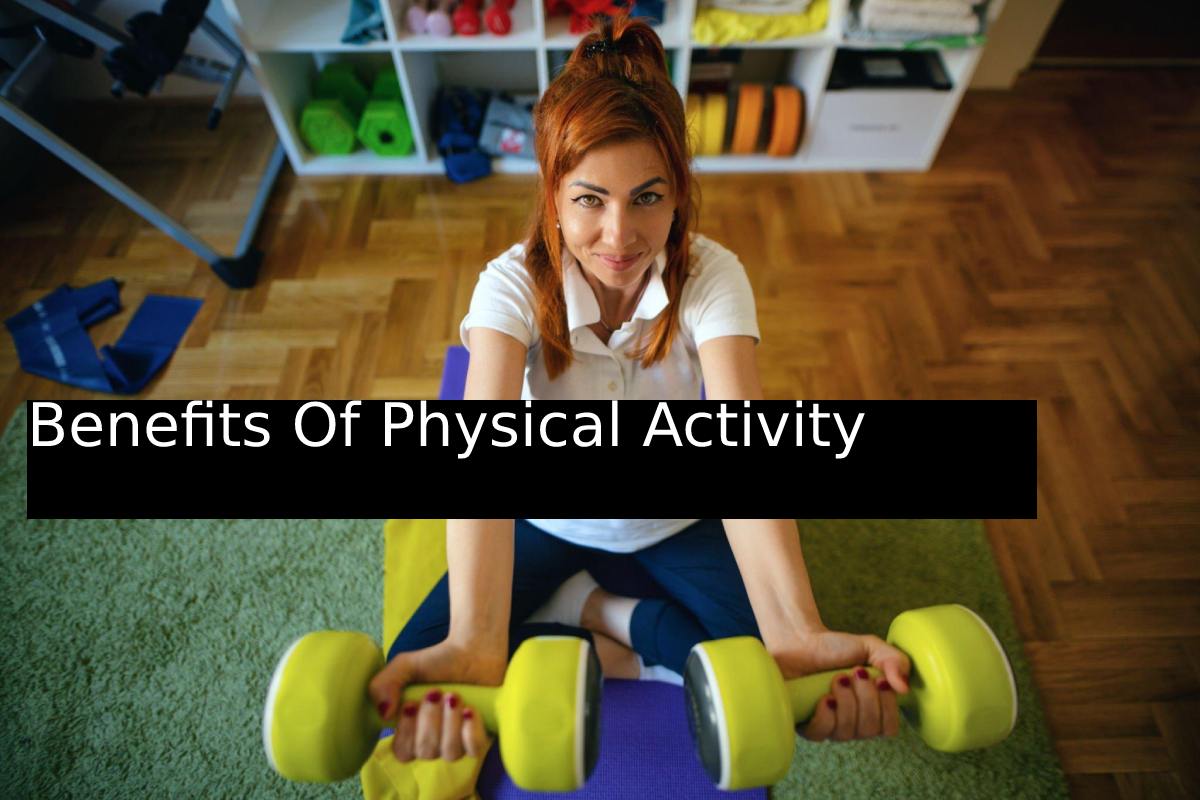
Physical activity and a healthy diet can have a positive impact on health and well-being at any age. Regular physical activity has several well-being benefits, such as: B. improving cardiorespiratory health and mobility, cognitive function or strength and balance, as well as reducing the risk of falls and a reduced risk of diabetes and heart disease. Stress, depression and anxiety can also be reduced, which in turn improves general well-being and quality of life.
This put on to carers as well as to people in need of care; This also applies to weak or already ill people. For residents, introducing regular activities can help maintain their autonomy and thus live independently for longer. For caregivers, improved physical fitness means that physical activities at work/caregiving, such as Our combined exercise and nutrition program also ensures variety and variety in everyday life and can enrich your time together through fun and interaction.
Our exercise program focuses on maintaining and improving fitness that helps older people cope with everyday life and maintain/increase their independence. The following are essential components of fitness found in our program:
Cardiorespiratory fitness (heart and lungs) –
important for walking and any physical activity that involves endurance.
Strength (muscles)
important for moving objects, climbing stairs or getting up from chairs.
Flexibility (muscles and joints) – important for getting dressed and picking up and reaching things.
Balance and coordination (postural stability) – important to avoid falls.
The simple exercises in the WHOLE program can be supplemented with other everyday activities such as walking, climbing stairs, housework or gardening. It is not necessary to do strenuous or difficult exercise or sports to be fit.
Regular activities of daily living and physical activity combined with a simple workout can also make a big difference. It should be noted that even those who cannot or cannot stand alone can benefit from the program as adapted exercises are provided in the program. Any physical activity is healthier than no exercise at all! We recommend using the full range of exercises offered in the program.
What Are The Personal Benefits Of Physical Activity?
Exercising offers so many benefits that only a few can be outlined here.
Fitness training has been proven to have a positive effect on women and men of all ages, on the healthy and the sick.
Although fitness training does not prolong life, it certainly ensures a better quality of life in old age. Growing old healthy and being able to remain active into old age seems to be a worthwhile attitude to life.
Exercising will not protect you 100% from every type of disease, but moderate exercise has proven preventive benefits or a remedial effect on a variety of ailments and diseases, such as: B. back problems, obesity, high cholesterol, high blood pressure, stress, diabetes, et cetera …
Fitness training is probably the most harmless way to get a better figure through weight reduction but also to build muscles.
Fitness & Wellness are the building blocks for your personal, holistic well-being and contribute to your personal balance and contentment in today’s troubled times.
How To Make Physical Activity Part Of Daily Life
Physical activity does not always require a structured workout. For people who want a more structured approach, adding simple exercises to a daily routine can help develop strength, mobility, balance and endurance. The type and intensity of exercise should be adjusted according to age, fitness level and individual physical abilities.
Older adults and caregivers can include more movement through walking, gardening, household tasks, climbing stairs and simple mobility exercises. Starting with manageable activities and gradually increasing duration or intensity can make exercise easier to maintain as part of a daily routine.
It is also helpful to choose activities that match individual abilities and physical condition. People with limited mobility can benefit from adapted seated or supported exercises, while those with better fitness may gradually add more challenging movements.
Why Strength And Balance Matter With Age
Strength, balance and coordination become especially important with increasing age because they support everyday movements and can help reduce the risk of falls. Exercises such as supported squats, gentle leg movements, balance drills and functional movements can help maintain the physical abilities needed for standing, walking and getting up from a chair.
A balanced approach should combine strength, mobility, endurance and balance rather than focusing on only one type of exercise.
Activities that combine controlled movement, flexibility and balance can also complement strength training. Yoga may be incorporated into a broader fitness routine to support mobility, balance and relaxation, with exercises adapted to individual abilities.
Regular practice, combined with a nutritious diet and adequate recovery, can support independence and make everyday activities easier.
Conclusion
Regular physical activity and a healthy diet can support physical function, independence and overall well-being at every age. For older adults and people with limited mobility, exercise does not have to be strenuous to be beneficial; walking, household activities, gardening and adapted exercises can all contribute to staying active. The most important approach is to choose activities that match individual abilities, progress gradually and maintain consistency. Anyone with an existing illness, significant mobility limitation or concerns about starting exercise should seek appropriate professional guidance.