

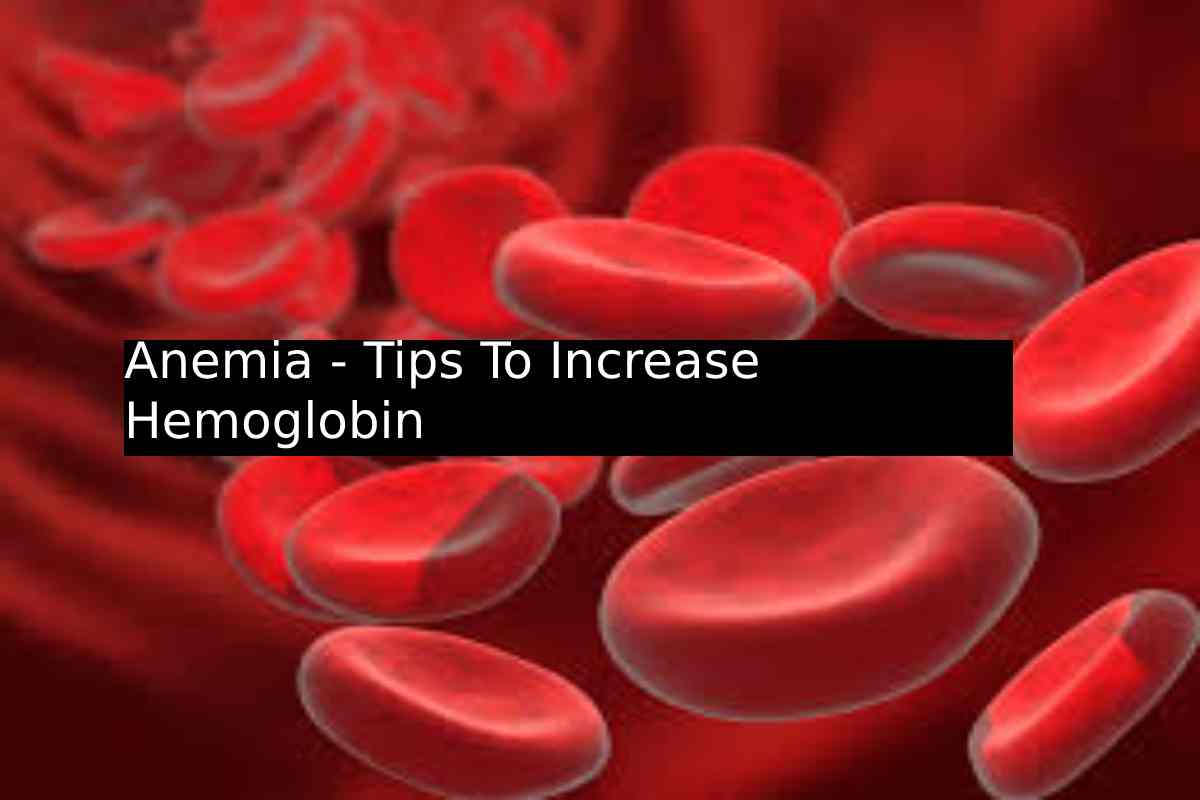
Anemia – Hemoglobin in the blood is not only accountable for the typical red color. It is the main component of red blood cells (erythrocytes). If you have found out you have low hemoglobin which is called anemia and you need to increase hemoglobin levels . Read the article to know the steps and measures you can take for it.
What Is Anemia?
If the proportion of red blood pigment and/or red blood cells in the organism is too low, anemia is present. The iron-rich protein hemoglobin is the most significant component of red blood cells and is responsible for transmission oxygen from the lungs to the body cells. From there, the hemoglobin transports carbon dioxide (CO2), which is produced in the cells as a waste product of metabolism, back to the lungs. The CO2 can now be exhaled. – If there is a hemoglobin deficiency, the body cells can no longer be sufficiently supplied with oxygen.
Because hemoglobin plays an important role in transporting oxygen from the lungs to tissues, respiratory health is also an important part of the body’s oxygen supply. Learn more about the lungs and their role in the respiratory system.
Symptoms Of Anemia
In the case of anemia, the organs are insufficiently supplied with oxygen.
Typical complaints are:
paleness
fatigue
dizziness
general feeling of weakness associated with exhaustion and loss of performance
Shortness of breath, especially on exertion
palpitations
Less common complaints are:
rough, cracked skin
cracked corners of the mouth
brittle nails
nails bent inwards (hollow nails)
dull, brittle hair
Burning tongue with pain when swallowing
unusual cravings, such as lime, earth, or ice cubes
Dizziness and nausea can have many possible causes and are not specific to anemia. Another condition commonly associated with nausea and dizziness is motion sickness.
Fatigue, weakness, and other general symptoms can occur in several health conditions and should not automatically be attributed to anemia. For example, hyperglycemia (high blood sugar) can also cause symptoms such as tiredness and increased thirst or urination.
What to do with iron deficiency anemia?
To treat iron deficiency anemia, the cause of the iron deficiency must be identified and iron supplements given.
If the iron deficiency is due to inadequate iron intake through food, those affected should change their diet so that enough iron is captivated.
Poor nutrition can contribute to important deficiencies and affect overall health. Eating disorders such as anorexia nervosa can also lead to inadequate nutrient intake and nutritional deficiencies, making proper medical and nutritional support important. Iron rich are:
meat
Fish
nuts
Lower amounts of iron also contain:
milk
owner
legumes
Grain
The iron contained in the meat is particularly easy to process. The human body, on the other hand, is less able to utilize vegetable iron.
If a alteration in diet is not enough and there is already anemia, treatment with iron dragees or tablets must be carried out. Iron additions should be taken daily or every other day on an empty stomach with water or fruit juice. Taking the preparations with solid food reduces the absorption of iron from the intestine. Vitamin C, on the other hand, can improve absorption.
Vitamin C:
The body needs vitamin C, among other things, to be able to absorb iron, iron in turn has an influence on the hemoglobin level. Foods rich in vitamin C are not only citrus fruits such as oranges, Citrus paradisi and lemons, but also papaya and strawberries. For vegetables you should use peppers, tomatoes, broccoli and spinach.
Meat And Seafood:
Meat is an outstanding source of iron, not only red but also white meat. Mussels and oysters, as well as certain types of fish such as tuna, catfish, salmon and sardines, also increase your hemoglobin levels. tuna, catfish, oysters, salmon and sardines
Grains And Legumes:
Beans, chickpeas, peas and lentils are rich in iron. Other good sources of iron are wheat, millet and oats.
Vegetables:
Some vegetables not only provide vitamin C, but also iron. These include leafy greens like the aforementioned spinach or Swiss chard. Our ancestors ate beetroot when they wanted to improve their blood. Potatoes and sweet potatoes are also good causes of iron.
Conclusion
Digestive conditions can affect nutrition and hydration, particularly in young children. For information about a common digestive problem affecting infants, see this guide to diarrhea in infants.
These above tips can help you increase your hemoglobin and may reduce anemia but I might take a little longer than expected. People with diabetes may also experience complications affecting different parts of the body. One example is diabetes-related tendon damage, which can affect movement and joint function. You can also consult your doctor if you want to have quick results.