

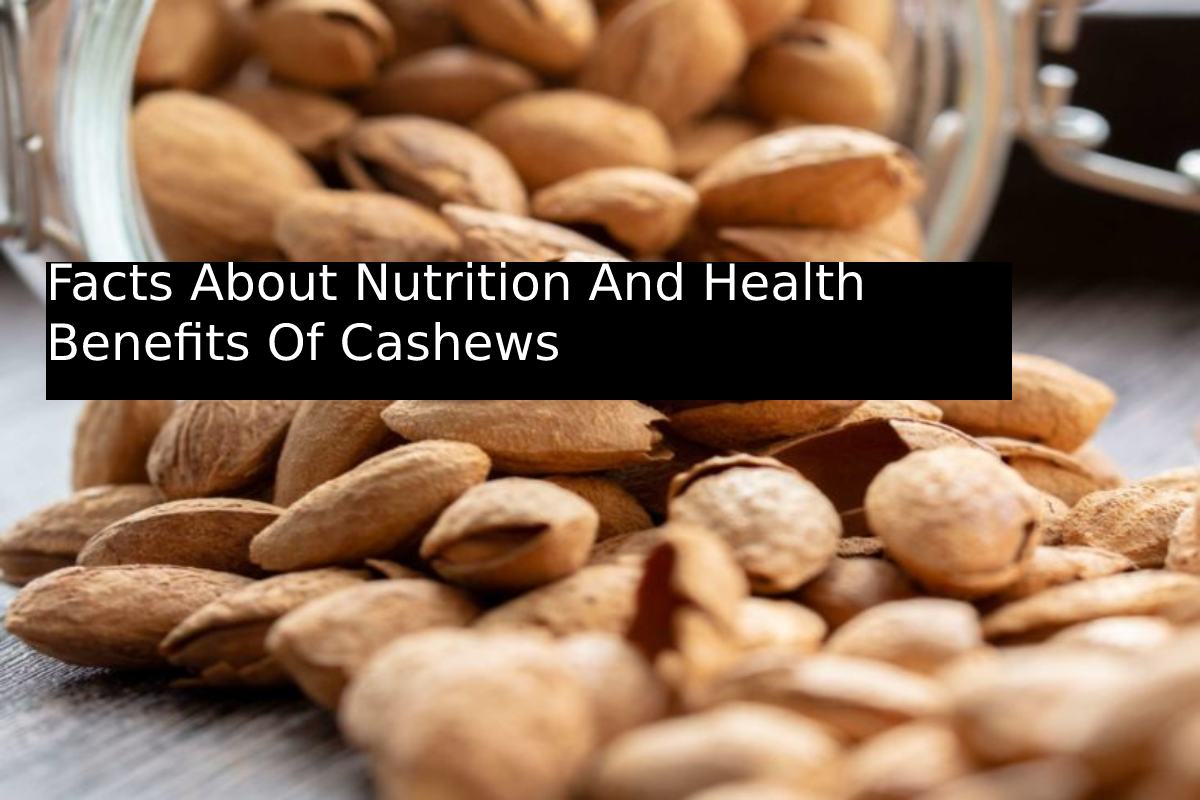
Although it is native to Brazil, the cashew nut grows in Vietnam, Nigeria, India, and the Ivory Coast. The nut is a byproduct of the Anacardium occidentale, an evergreen cashew tree that also produces a fruit (also known as an apple) and a nut (also known as a seed), which hangs beneath the fruit.
Cashews are frequently used in nut mixes, eaten as a snack on their own, and processed into goods like cashew butter and milk. When used in moderation, cashews can be a nutritious supplement to your diet.
Cashews are one of many nutritious foods that can be included in a balanced diet. Fruits can also provide important nutrients and dietary fiber, and learning about the health benefits of apples is another way to explore nutritious choices for everyday meals.
Featured Under Healthy Diet
Helps With Weight Control
If you’re attempting to lose weight, nuts can be a wise snack. Nuts’ beneficial fat, protein, and fibre content may aid in promoting satiety and fullness after meals and during snacking.
Cashews can be a convenient option when you want something filling between meals, but variety is also important when choosing foods throughout the day. Exploring different healthy snacks can give you more ideas for nutritious options that fit into a balanced eating routine. However, due to their high calorie content, nuts should only be eaten in moderation.
Weight management is influenced by your overall eating pattern rather than one individual food. Including a variety of nutrient-rich options as part of your healthy food journey can help provide different vitamins, minerals, fiber, and other nutrients while keeping your meals varied.
According to a study on nut intake, eating nuts on a regular basis—roughly one handful per day—can incorporate into a healthy diet to help avoid obesity and type 2 diabetes.
However, the study looked at nuts as an alternative to less healthful diets. According to this study, it is uncertain whether nuts themselves have any special advantages.
Weight Control
Limited evidence suggests that frequent nut eating links to a higher energy expenditure during sleep. This can have an effect on how you manage your weight.
Additionally, in studies comparing weight loss between eating plans that include nuts and those that don’t, plans that include nuts in moderation associates with greater weight reduction.
Cashews are not the only nuts that can provide useful nutrients as part of a balanced eating pattern. Almonds are another popular option, and understanding almonds nutrition can help you learn more about their protein, fiber, healthy fats, vitamins, and minerals.
dependable source
According to 2004 research in the American Journal of Clinical Nutrition, women who said they rarely ate nuts.
more weight gain over an 8-year period than those who ate nuts two or more times per week.
According to the study’s findings, consuming nuts may assist in maintaining a healthy weight and does not cause weight gain.
The Mediterranean diet, which is high in monounsaturated fatty acids, may help to avoid coronary artery disease and strokes by promoting a healthy blood lipid profile, according to research studies.
Nuts can be combined with a variety of fruits and other nutrient-rich foods to create a balanced eating pattern. Fruits such as pomegranates are also valued for their antioxidant content, and learning about the benefits of pomegranates can provide more information about including different fruits in your diet.
Essential minerals are abundant in cashew nuts. They contain particularly high concentrations of manganese, potassium, copper, iron, magnesium, zinc, and selenium. T
Nuts are one source of essential nutrients, but a balanced diet should include a variety of foods. Vegetables such as sweet potatoes can also contribute important nutrients and can be incorporated into meals alongside protein sources such as cashews.
o get enough of these minerals in the diet, eat a handful of cashew nuts every day. This may help ward off ailments caused by mineral deficiencies.
Crucial vitamin called selenium serves as a co-factor for antioxidant enzymes .
Glutathione peroxidases, one of the body’s most potent antioxidants are enzymes
Many essential enzymes, such as cytochrome c-oxidase and superoxide dismutase, require copper as a cofactor (other minerals function as co-factors for this enzyme are manganese and zinc).