

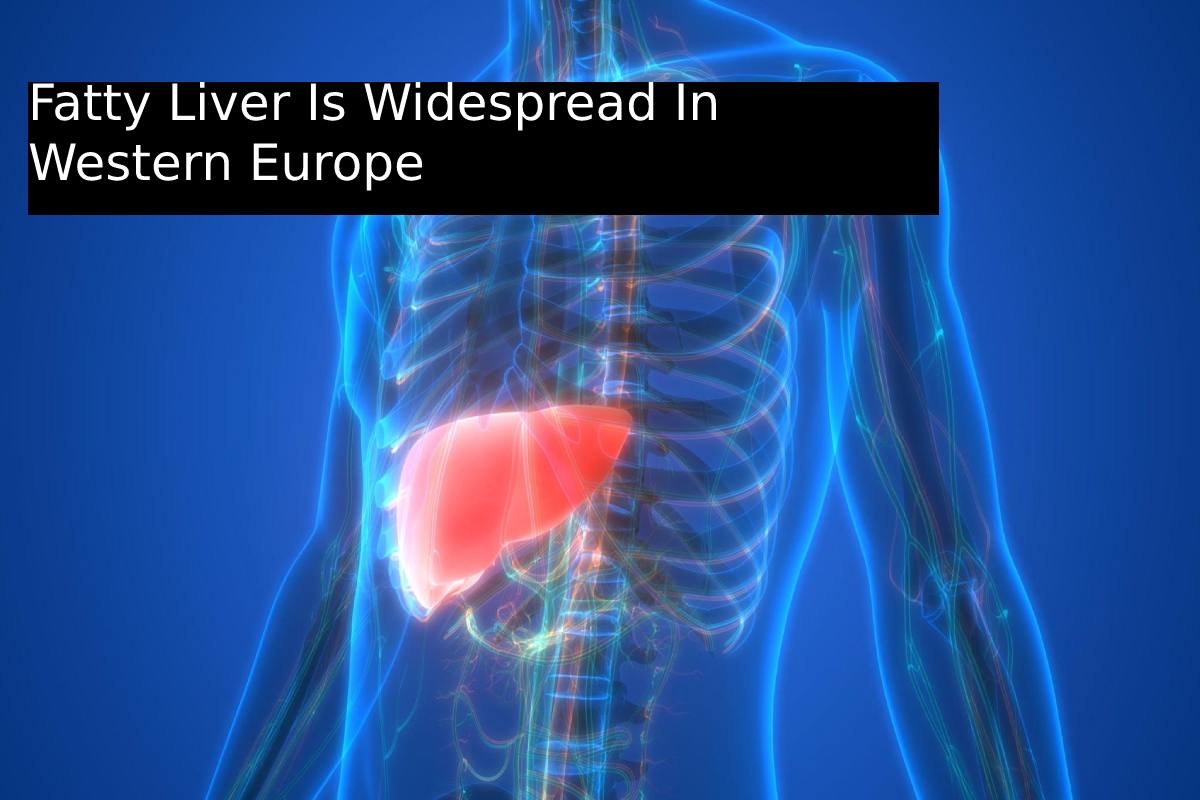
Fatty Liver –
ALCOHOLIC AND NON-ALCOHOLIC LIVER FAT
Surveys show that around 20 to 30% of the Western European population have fatty liver which is not caused by alcohol consumption but has other causes. NAFLD is also attractive more common in children in relation to diabetes, overweight, and obesity (obesity). Studies have shown that boys are affected more often than girls. In adults, on the other hand, more women than men have NAFLD.
About one in ten adults in Western Europe, on the other hand, has fatty liver caused by alcohol consumption. Alcoholic fatty liver is already diagnosed in 50% of alcohol dependents.
Featured Under Digestive Health
The Difference Among Fatty Liver And Fatty Liver
FAT STORAGE LIVER DISEASE
Fatty liver (hepatitis steatosis) is a liver disease in which certain fats (triglycerides, phospholipids) are stored. A [fatty liver] (steatosis) is already present when more than 5% of liver cells (hepatocytes) store fat, while doctors only speak of [fatty liver] when at least 50% of liver cells are affected by fat deposits. A distinction is also made between the alcoholic and non-alcoholic form of fatty liver.
Causes Of Fatty Liver Formation
POSSIBLE TRIGGERS FOR INCREASED FAT STORAGE
Many of the details of how [fatty liver] develops are still unclear, but researchers believe that the buildup of fat inside of liver is mainly due to the following factors:
Increased absorption of free fatty acids from food or body adipose tissue
Diet-related digestive complaints may sometimes be associated with food sensitivities or intolerances rather than fatty liver itself. One condition readers may also want to understand is histamine intolerance, which can cause various digestive and other symptoms in some people.
Increased production of free fatty acids from glucose over acetate
Reduced breakdown of fatty acids in mitochondria (cellular power plants)
Decreased production or excretion of lipoproteins in the liver, which transport neutral fats (triglycerides) present or produced there from liver cells to other cells in the body.
Direct Relationship Between Liver Fat And Body Weight
[Fatty liver] occurs in 76 to 89% of all overweight adults with a BMI less than 30. It occurs in 46 to 50% of cases in alcohol dependents.
Normal weight children with [fatty liver] are often diabetic.
The development of a [fatty liver] can be regularly observed together with an existing insulin resistance.
CAUSES
alcohol
Mellitus diabetes
Eat excessively
dyslipidemia
severe protein deficiency
Liver toxins such as fungal toxins, phosphorus, chlorinated hydrocarbons, organic solvents
Medications such as tetracyclines, aspirin, corticosteroids, amiodarone
Consequences of chemotherapy for cancer
Morbus Wilson (copper metabolism disorder)
Diet-related digestive complaints may sometimes be associated with food sensitivities or intolerances rather than fatty liver itself. One condition readers may also want to understand is histamine intolerance, which can cause various digestive and other symptoms in some people.
Symptoms Of A Fatty Liver
FATEST AT FIRST MOSTLY WITHOUT SYMPTOMS
A [fatty liver] often develops without symptoms at first and is only noticeable when it has increased in size. Only then do various body reactions occur, which can manifest themselves in the following symptoms:
enlarged liver
enlarged spleen
yellowing of the skin (jaundice/jaundice)
Severe discomfort in the right side of the abdomen.
weightloss
nausea
Fever
loss of appetite
[fatty liver] therapy
Digestive symptoms such as nausea and loss of appetite can have many possible causes. Understanding the definition of diarrhea can also help readers recognize and distinguish common gastrointestinal symptoms.
Digestive symptoms can also include changes in bowel habits or excessive gas, which are not necessarily caused by fatty liver. People who fart too often may have dietary or other digestive factors contributing to the problem and should consider discussing persistent symptoms with a healthcare professional.
Management activating factors
The goal is [fatty liver] regression through consistent therapy. Depending on the triggering factors, various measures are possible:
Weight reduction in overweight
Comprehensive nutrition according to the 10 rules of the DGE on overeating
avoid alcohol
The cessation of diabetes in diabetics.
In the case of [atty liver]caused by protein deficiency, high-quality protein is supplied.
Conclusion
Fatty liver can develop silently, so regular health checks are important, particularly for people with risk factors such as excess weight, diabetes, high cholesterol or regular alcohol consumption. Treatment focuses on addressing the underlying cause and may include gradual weight loss, a balanced diet, physical activity, better blood sugar control and avoiding alcohol when appropriate.
A balanced eating pattern also supports overall gastrointestinal health. Along with supporting liver function, maintaining habits that promote a healthy colon can contribute to better digestive wellness.
Because fatty liver can sometimes progress to inflammation, scarring, and more serious liver disease, persistent symptoms or concerns about liver health should be discussed with a healthcare professional.
Liver health is also connected to the wider digestive system, and persistent or unusual digestive symptoms should not be ignored. For information about another serious condition affecting the digestive system, see this guide on how stomach cancer develops.
When fatty liver progresses and causes significant liver scarring, it can contribute to more advanced liver disease. Readers can learn more about the causes, progression, and effects of liver cirrhosis to better understand potential long-term liver complications.