

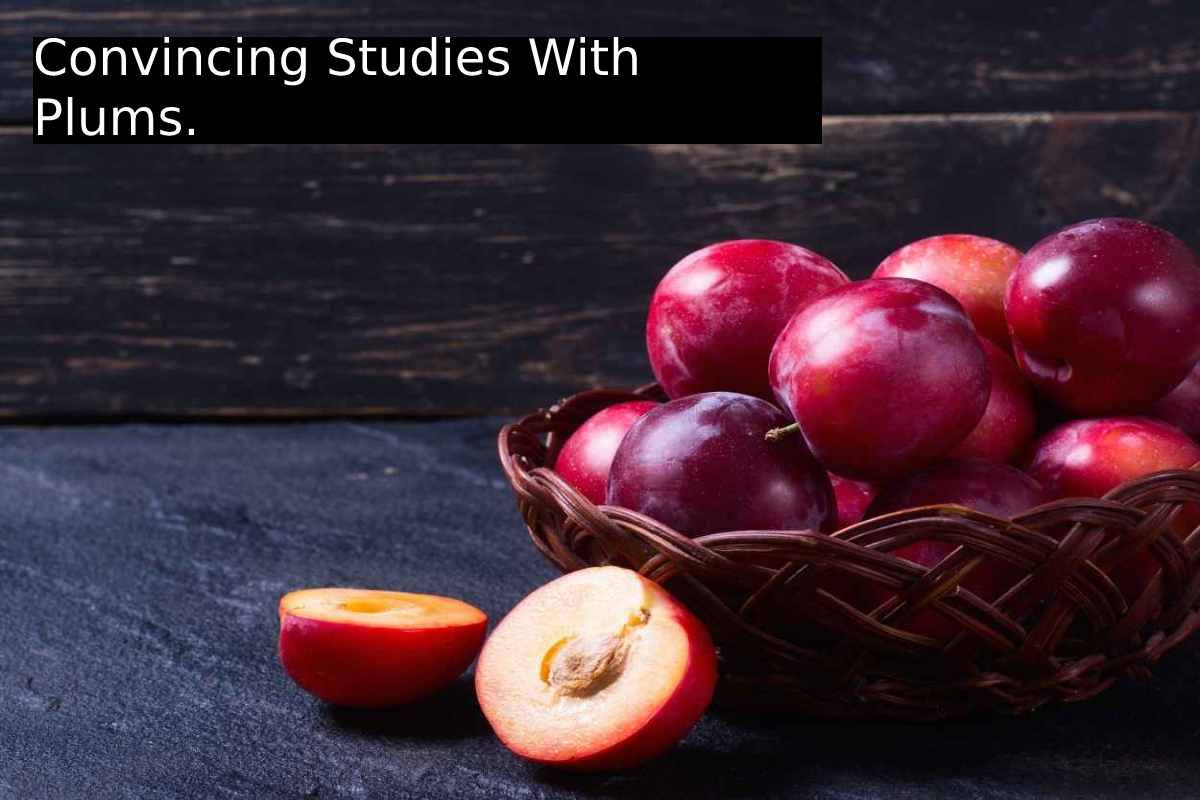
Plums Act On Bone Density
In the USA there were several study projects on the positive effects of plums, also known as prunes or prunes. A single study examined the association between plum consumption and bone health in postmenopausal women. As a general rule, the risk of osteoporosis in women increases considerably after menopause. The study showed that daily consumption of 50 g of plums, combined with a balanced diet, has health benefits and can prevent bone loss in postmenopausal women with low bone density. 50 grams correspond to about four or five plums.
Already 50 g of plums influence the risk of osteoporosis
The Previous Consumption Recommendations Are Obsolete
Therefore, an earlier study from Florida State University, which found the same positive effects with a daily consumption of 100 g of plums, is considered outdated with respect to the consumption recommendation.
Prevent osteoporosis and reverse the degradation process with plums
Cirudas Are The Most Effective Against Osteoporosis
According to researchers, [plum] is the most effective fruit related to bone health. It can not only prevent osteoporosis (bone loss), but also stop existing bone loss and ensure new bone formation.
Osteoporosis occurs because more bone substance is broken down than is built up. Prunes not only slow down this process, but also significantly increase bone density.
Highly effective ingredients are detectable in [plums].
Boron Is Important For Bone Health
In addition to peaches, sultanas, almonds and beets, [plums] contain a high proportion of the ultralight element boron, which supports bone health. It decreases the excretion of minerals like calcium and magnesium, which are important for bone health. Boron also enhances the effects of vitamin D and can increase estrogen levels in women. Estrogen also strengthens bones.
[Plums] also have a positive effect on radiation-induced bone damage.
How Plums May Support Stronger Bones
Plums may support bone health through a combination of their plant compounds, vitamins and minerals. Regularly including prunes in a balanced diet may help provide nutrients that contribute to maintaining healthy bones, particularly as bone density naturally declines with age. However, plums should be considered part of an overall bone-health strategy rather than a replacement for medical treatment.
Plums and Bone Loss After Menopause
Bone loss can become a greater concern after menopause as changes in hormone levels affect the balance between bone breakdown and bone formation. Research on prunes has therefore attracted attention for their potential role in supporting bone mineral density in postmenopausal women. Eating a moderate serving regularly may be one practical way to include nutrient-rich fruit in a diet focused on long-term bone health.
How to Include Plums in Your Daily Diet
Prunes are easy to add to everyday meals. When preparing balanced meals, other everyday ingredients can also be used in moderation. Butter can add flavour and richness to certain dishes, although portion size and overall dietary balance remain important.
They can be eaten as a snack, chopped into porridge or yoghurt, blended into smoothies, or added to salads and baked dishes.
Adding fruit to salads is another simple way to make everyday meals more varied. You can explore different salad recipes for ideas that combine fresh vegetables, fruits, nuts and other nutrient-rich ingredients.
Prunes can also be used creatively in meals that combine fruit with savoury ingredients. For example, learning what Bolognese is can provide ideas for preparing hearty dishes that can be paired with a variety of nutritious side ingredients.
A serving of around 50 g can be incorporated into a balanced diet without requiring major changes to your usual meals.
Fresh herbs can also add flavour to healthy meals without relying heavily on additional ingredients. For example, learning about the potential mint benefits can give you another reason to include fresh mint in smoothies, salads and other everyday recipes.
Since prunes are naturally rich in sugars and fibre, portion size is still important. For a more filling snack, prunes can also be paired with other foods that provide protein and healthy fats. Peanut butter can be used in moderation with fruit, whole-grain foods or smoothies as part of a varied and balanced diet.
Other Ways to Protect Bone Health
Eating prunes alone cannot prevent osteoporosis. Bone health also depends on getting adequate calcium and vitamin D, maintaining regular physical activity, particularly weight-bearing and resistance exercise, and avoiding smoking.
Green tea can also be included as part of a balanced dietary routine. If you are interested in learning more about its nutritional properties and potential health effects, explore the benefits of green tea as another option to include alongside a varied diet.
People with low bone density or a high risk of fractures should discuss appropriate prevention and treatment options with a healthcare professional.
Conclusion
Plums, particularly dried plums or prunes, have attracted scientific interest for their potential benefits for bone health, especially among postmenopausal women. Research suggests that regular consumption may help support bone density, although more evidence is needed to establish exactly how effective they are and for whom. Including a moderate serving of prunes as part of a balanced diet, alongside adequate calcium, vitamin D and regular exercise, can be a practical addition to a broader approach to maintaining strong bones.